


The effectiveness of an agrochemical product depends on more than its formulation. Behind every reliable crop protection formulation, is a series of carefully controlled chemical processes that determine its quality, consistency and performance.
As agriculture faces challenges such as pest resistance, changing climatic conditions and increasing food production demands, the agrochemical industry must continuously evolve. This places greater importance on process chemistry, which connects scientific research with efficient and reliable manufacturing.
For an agrochemical manufacturing company, process chemistry is not simply a production requirement. It is fundamental to product development, quality assurance and long-term operational efficiency.
Let’s explore the role it plays in shaping modern agrochemical manufacturing.
1. Establishing the Foundation of Production
Process chemistry involves developing, understanding and optimising the chemical reactions used in manufacturing. In the agrochemical industry, it guides the transformation of raw materials into active ingredients that help protect crops against weeds, pests and diseases.
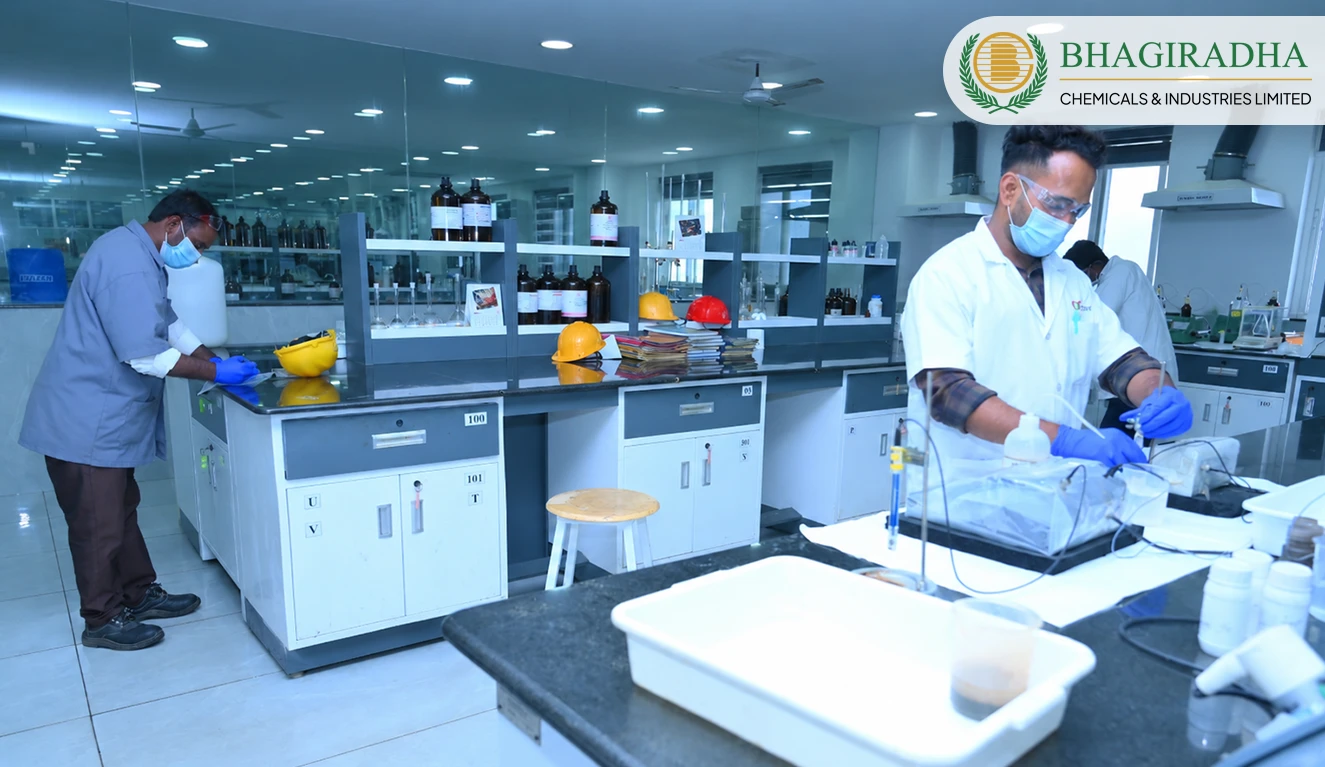
This involves multiple stages, including chemical synthesis, reaction monitoring, separation, purification and quality testing. Each stage requires precise control to achieve the desired chemical composition and product specifications.
A well-developed process ensures that manufacturing methods can be consistently replicated, whether production takes place in a laboratory or at an industrial facility. It also helps manufacturers identify potential challenges early and establish reliable production methods.
2. Maintaining Product Quality and Consistency
Product quality is closely connected to the precision of the manufacturing process. Variations in raw materials, reaction conditions or purification techniques can influence the composition and quality of the final product.
Process chemistry helps in controlling these variables through systematic monitoring of parameters such as temperature, pressure, reaction time, material composition and others.
For pesticide manufacturers, maintaining consistent active ingredient purity is particularly important. Effective process controls to minimise unwanted impurities, improve batch-to-batch consistency and ensure that products meet established quality specifications.
These measures also strengthen quality assurance practices and support greater confidence in the manufacturing process.
3. Improving Manufacturing Efficiency
Manufacturing efficiency directly influences production costs, resource utilisation and the ability to meet market demand.
Process chemistry helps in identifying opportunities to optimise chemical reactions, improve production yields and reduce unnecessary processing steps. For example, refining reaction conditions can minimise raw material losses, while improved separation techniques can make product recovery more efficient.
Solvent recovery and reuse, where technically appropriate, can further reduce resource consumption.
By continuously evaluating and improving production methods, manufacturers can achieve better operational efficiency without compromising product quality or process safety.
4. Encouraging Innovation and Sustainability
Innovation and Sustainability are becoming important priorities for the agrochemical industry. Manufacturers are increasingly exploring production methods that balance technical performance with responsible resource management.
Green chemistry principles offer several opportunities to improve manufacturing practices:
- Waste reduction: Optimising reactions to minimise unwanted by-products and chemical waste.
- Resource efficiency: Improving the utilisation of raw materials, water and energy.
- Solvent recovery: Recovering and reusing suitable solvents to reduce consumption.
- Process safety: Identifying chemical hazards and implementing appropriate safety controls.
- Environmental management: Strengthening wastewater treatment, emission monitoring and responsible waste disposal.
Integrating these practices into process development can help manufacturers to build more efficient production systems while reducing their environmental footprint.
5. Supporting Successful Industrial Scale-Up
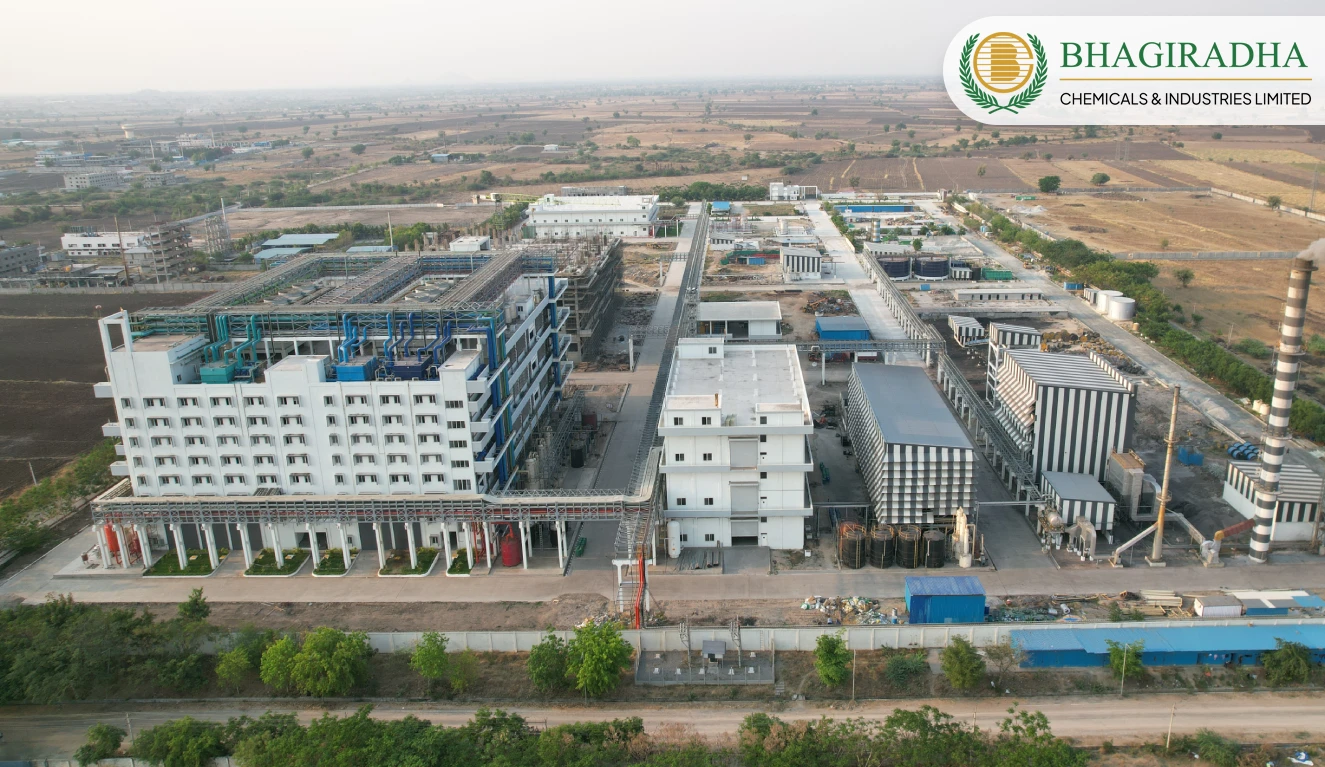
A chemical reaction that performs well in a laboratory may behave differently when transferred to an industrial manufacturing facility. Larger production volumes introduce additional challenges involving heat transfer, mixing efficiency, reaction kinetics and equipment performance.
Process chemistry helps manufacturers to understand these factors before scaling up production. Through process optimisation, testing and validation, potential manufacturing challenges can be identified and addressed.
This is particularly important when developing specialised crop protection products, where consistency and controlled production are essential. A systematic approach to scale-up helps to ensure that commercial manufacturing delivers results comparable to laboratory development.
6. Strengthening Regulatory Compliance
Agrochemical manufacturing involves regulatory requirements related to product registration, manufacturing practices, worker safety and environmental protection.
Process chemistry supports compliance by establishing documented production methods, monitoring critical parameters and maintaining consistent product specifications.
For example, businesses manufacturing or supplying products such as Pinoxaden (Herbicide) in India must consider applicable registration requirements, approved specifications and relevant manufacturing permissions.
Strong process documentation, quality control systems and appropriate safety measures help manufacturers maintain regulatory discipline and ensure responsible production.
Conclusion
Process chemistry is the foundation that connects scientific research with practical agrochemical manufacturing. From improving product consistency and production efficiency to supporting sustainable practices and regulatory compliance, its contribution extends across every stage of the manufacturing process.
As the agricultural sector continues to evolve, manufacturers must focus on strengthening their technical capabilities and refining their production methods. Investing in process chemistry is an important step towards building reliable, efficient and responsible agrochemical manufacturing operations.
Frequently Asked Questions:
What is process chemistry in agrochemical manufacturing?
Process chemistry involves developing and optimising chemical reactions and production methods used to manufacture agrochemical active ingredients and related products.
Why is process chemistry important for agrochemical production?
It helps to improve production efficiency, maintain product quality, minimise material losses and establish consistent manufacturing processes.
How does process chemistry influence product quality?
It helps to control reaction conditions, reduce unwanted impurities and maintain consistent chemical composition across manufacturing batches.
Can process chemistry contribute to sustainable manufacturing?
Yes. Optimised reactions, reduced waste generation, solvent recovery and efficient resource utilisation can help to make manufacturing processes more sustainable.
What is the importance of process optimization during scale-up?
Process optimisation helps to identify challenges associated with larger production volumes, including heat transfer, mixing and reaction control. This supports consistent results during commercial manufacturing.
What should businesses consider when choosing an agrochemical manufacturer?
Businesses should evaluate manufacturing capabilities, technical expertise, quality assurance systems, regulatory compliance, production consistency and environmental management practices.