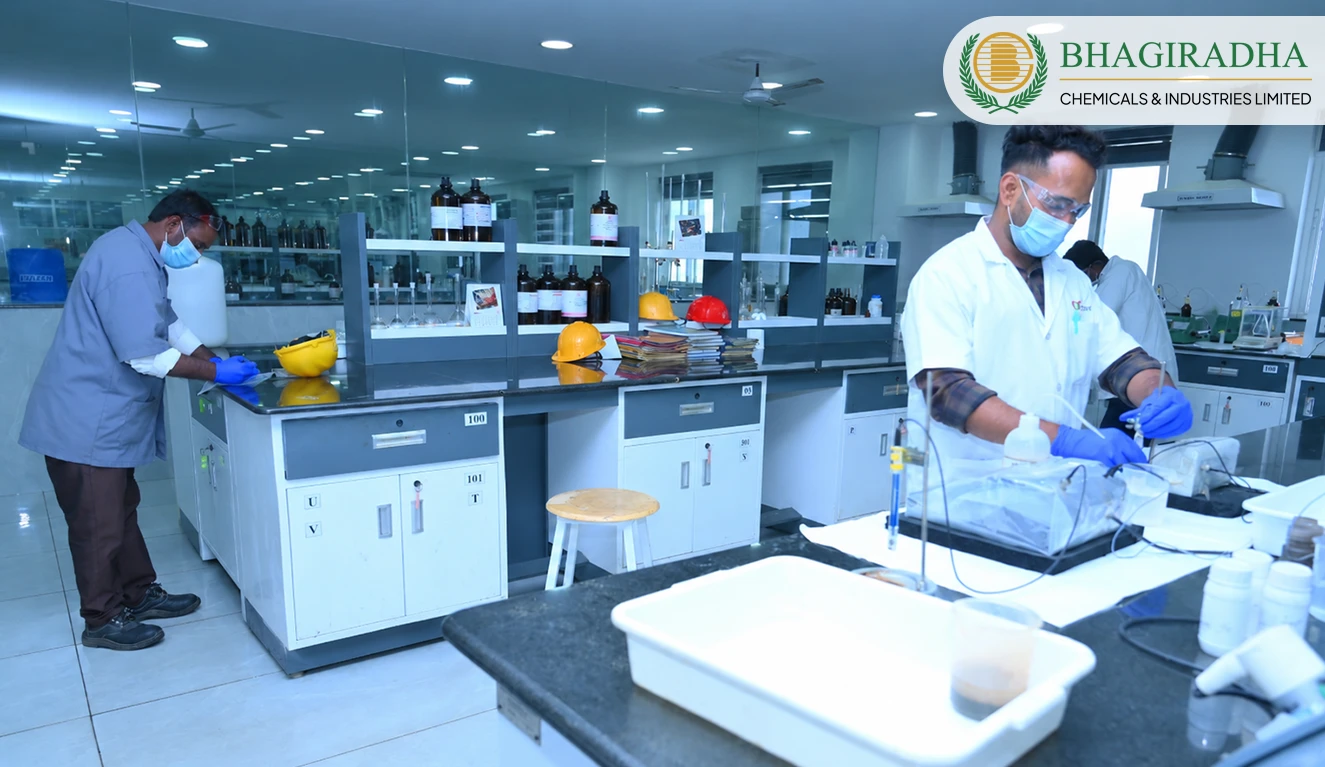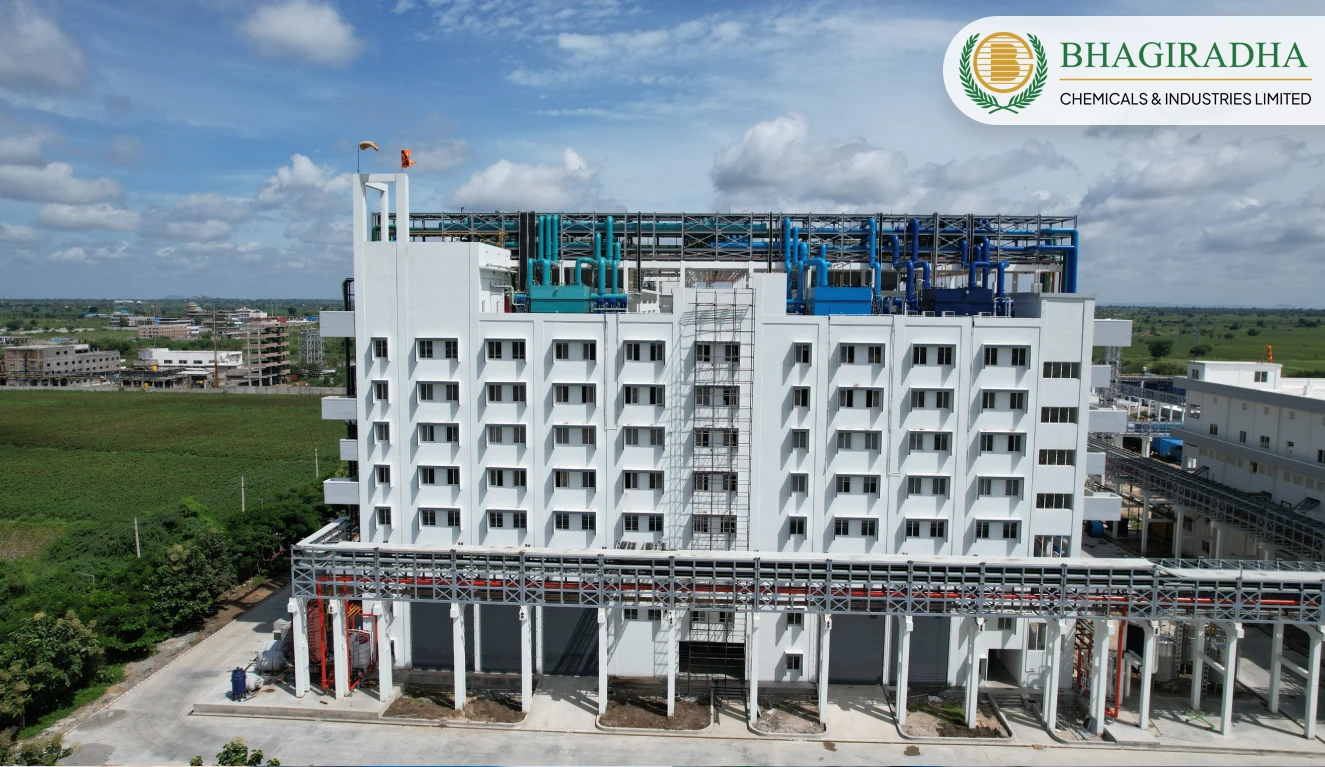
In agrochemical manufacturing, a competitive advantage begins long before production starts. It comes from understanding the chemistry, developing effective manufacturing processes and finding ways to improve them over time. This is where research and development (R&D) plays a key role.
For an agrochemical manufacturer, R&D is not limited to developing new products. It also involves improving existing processes, developing alternative synthesis routes, increasing production efficiency and ensuring that processes can be scaled up reliably.
At Bhagiradha Chemicals & Industries Limited (BCIL), R&D is an important part of its business strategy. Through in-house process development and chemistry-led innovation, the company works towards strengthening its manufacturing capabilities, responding to market requirements and building long-term customer relationships.
1. Turning Research into Manufacturing Advantages
Research creates value when scientific knowledge can be translated into practical manufacturing outcomes. In agrochemicals, this means developing processes that are technically sound, commercially viable and suitable for production at scale.
BCIL develops its manufacturing process technologies in-house, with a focus on efficient synthesis routes for agrochemical active ingredients and intermediates. This allows the company to build process knowledge internally and evaluate opportunities to improve manufacturing performance.
Research-driven process development can help is identifying better ways to manage reactions, improve yields and reduce unnecessary material consumption. These improvements must be validated to ensure that product quality, safety and process reliability remain consistent.
By connecting research with manufacturing requirements, R&D becomes a practical business function rather than a scientific activity.
2. Improving Process Efficiency Through Innovation
Manufacturing efficiency depends on how well a process performs across production stages. Small improvements in reaction conditions, material use or process design can influence overall production performance.
BCIL’s process chemistry capabilities support the development and optimisation of manufacturing routes. The focus is on identifying processes that can deliver consistent results while meeting commercial and technical requirements.
Innovation and Sustainability can also work together through process improvement. A well-designed manufacturing route may offer opportunities to improve yields, reduce waste and use materials more efficiently. However, the benefits of each improvement must be evaluated against actual process data.
For agrochemical manufacturers, this approach helps connect cutting-edge manufacturing outcomes. Rather than relying only on new product development, continuous process improvement can strengthen existing operations and support long-term competitiveness.
3. Scaling Research from the Laboratory to Commercial Production
A process that works at laboratory scale must undergo further evaluation before it can be implemented in commercial manufacturing. Larger production volumes can introduce challenges related to reaction control, heat transfer, material handling and product consistency.
BCIL’s R&D capabilities cover the development and scale-up of manufacturing processes, including pilot-stage validation and transfer to plant operations. This progression helps assess whether a process can perform reliably beyond the laboratory.
Before commercial implementation, process parameters must be studied, appropriate operating procedures established and quality requirements clearly defined. These steps help reduce uncertainty during scale-up and support reproducible manufacturing.
For customers, the ability to translate research into dependable production is an important consideration when selecting a manufacturing partner. It connects technical expertise with the practical demands of supply, quality and production planning.
4. Strengthening Quality and Batch-to-Batch Consistency
Product quality depends on more than the final inspection of a manufactured batch. It also depends on the process decisions, controls and operating procedures established during development.
R&D contributes to quality by helping define suitable process parameters and understand the factors that can affect product specifications. When these parameters are validated and followed consistently, manufacturers are better positioned to manage production variability.
For BCIL, process development and optimisation support its wider manufacturing objectives. A strong understanding of the chemistry behind each process helps connect product requirements with practical production controls.
This is particularly important in agrochemical supply chains, where customers need products that meet agreed specifications across successive batches. Consistency supports customer confidence and strengthens long-term business relationships.
5. Building a Stronger Position in the Agrochemical Market
The agrochemical industry continues to face changing market needs, pricing pressures and evolving regulatory requirements. Manufacturers need the technical capabilities to respond to these changes while maintaining reliable operations.
BCIL’s R&D strategy includes developing processes for generic agrochemical products, improving existing technologies and expanding its product portfolio. Its development and commercialisation of Trifloxystrobin and Chlorantraniliprole during FY 2024–25 demonstrate how research can support product expansion.
In-house process expertise can also help manufacturers reduce dependence on external process technologies and strengthen supply-chain resilience. The commercial value depends on the specific process, product requirements and market conditions.
For businesses seeking Trusted Crop Protection supply chains, a manufacturer’s research capability is an important factor to evaluate alongside quality systems, manufacturing infrastructure and regulatory compliance.
6. Creating Long-Term Value Through R&D
The value of R&D extends beyond individual product launches. A growing base of process knowledge can support future development, improve existing manufacturing routes and help teams respond to new technical challenges.
BCIL’s focus on process chemistry, scale-up and continuous improvement support which long-term approach. Its research capabilities help to connect scientific development with commercial manufacturing & creates value for a sustainable business model.
By investing in process knowledge and practical innovation, an agrochemical manufacturer can build capabilities that support product quality, manufacturing reliability and business growth over time.
Conclusion
Research-driven thinking gives agrochemical manufacturers a way to improve how products are developed, processes are designed and production challenges are addressed. Its value lies in turning scientific understanding into practical manufacturing improvements.
At BCIL, R&D supports process development, scale-up, process optimisation and product expansion. These capabilities help connect innovation with manufacturing performance and evolving customer requirements.
In a competitive industry, sustained progress depends on more than developing new products. It requires the ability to improve processes, maintain quality and translate research into reliable commercial outcomes.
FAQs:
1. Why is R&D important in agrochemical manufacturing?
R&D helps manufacturers develop new products, improve existing processes, optimize synthesis routes and prepare processes for commercial production. It supports manufacturing efficiency, quality and long-term competitiveness.
2. How does R&D improve manufacturing efficiency?
R&D helps in identifying opportunities to improve reaction yields, manage material consumption and refine process conditions. Proposed improvements must be tested and validated before implementation.
3. What is process chemistry in agrochemical manufacturing?
Process chemistry focuses on developing and improving the chemical routes used to manufacture active ingredients and intermediates. It considers product quality, safety, scalability and commercial requirements.
4. Why scale-up is important in agrochemical production?
Scale-up evaluates whether a process developed in the laboratory can be transferred reliably to pilot and commercial production. It helps identify technical challenges and establish suitable operating procedures.
5. How does innovation and sustainability support manufacturing?
Process innovation can create opportunities to improve yields, use resources more efficiently and reduce waste. The actual benefits depend on the process and should be supported by validated manufacturing data.
6. How does BCIL use R&D to strengthen its competitive position?
BCIL focuses on in-house process development, process optimisation, scale-up and the development of generic agrochemical products. These capabilities support manufacturing performance, product development and long-term customer requirements.

Mr. A. Arvind Kumar holds a Master’s degree in Chemical Engineering from IIT, Madras. He was earlier the COO of BCIL. Prior to that, he was the Executive Director of JC Biotech, another group company, and was involved in the design and commissioning of its fermentation plant. He has about 15 years of experience in agrochemical and pharmaceutical manufacturing.