A modern pesticide manufacturing facility is not defined only by its production capacity. Its real strength lies in how well every process is planned, monitored, controlled and repeated with consistency.
For Bhagiradha Chemicals & Industries Limited (BCIL), manufacturing is built around scientific depth, process discipline, quality assurance and responsible operations. From process development to finished product testing, each stage is designed to support reliable output for customers who depend on technical-grade agrochemicals and intermediates.
This is especially important for pesticide manufacturers who need more than a supply source. They need a manufacturing partner that can support quality, compliance, scale and long-term confidence.
What happens inside a modern pesticide manufacturing facility?
Inside a modern facility, manufacturing begins much before commercial production. It starts with process chemistry, route development, lab-scale validation and plant-level scale-up.
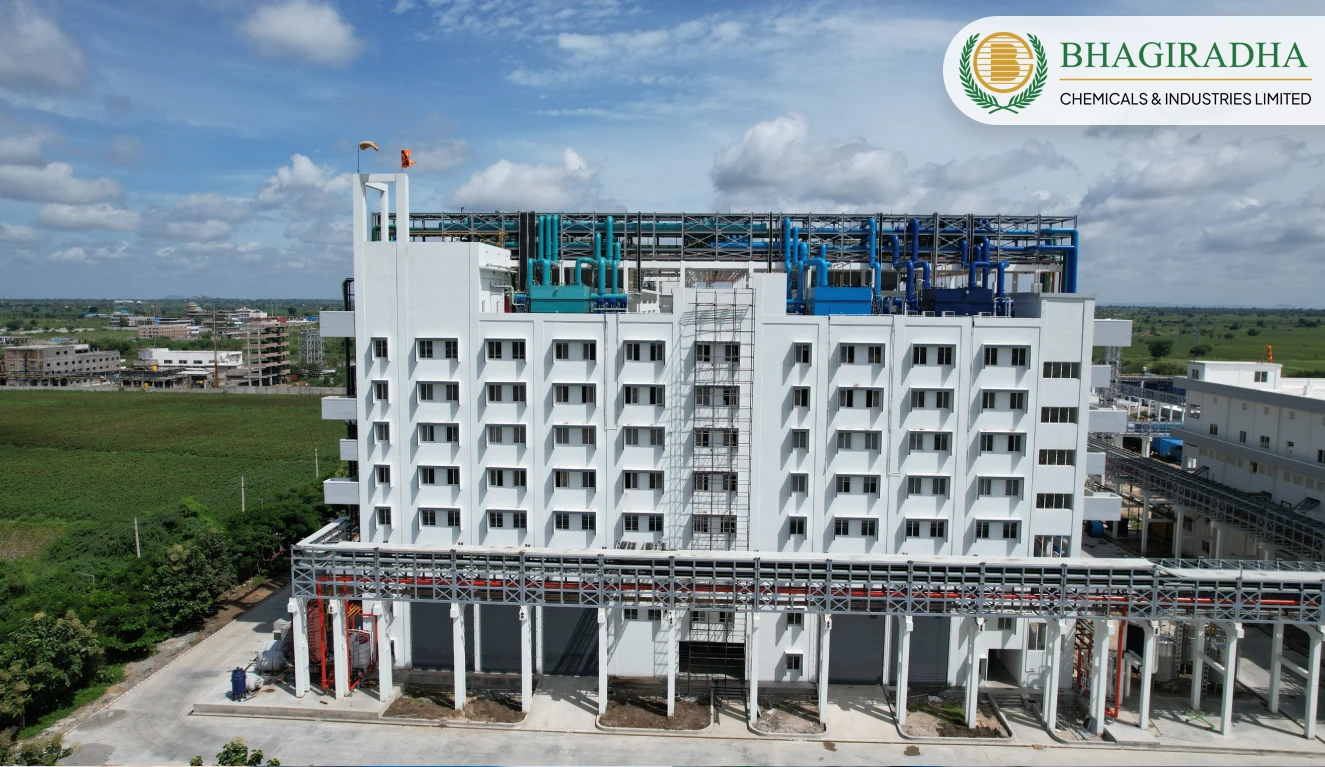
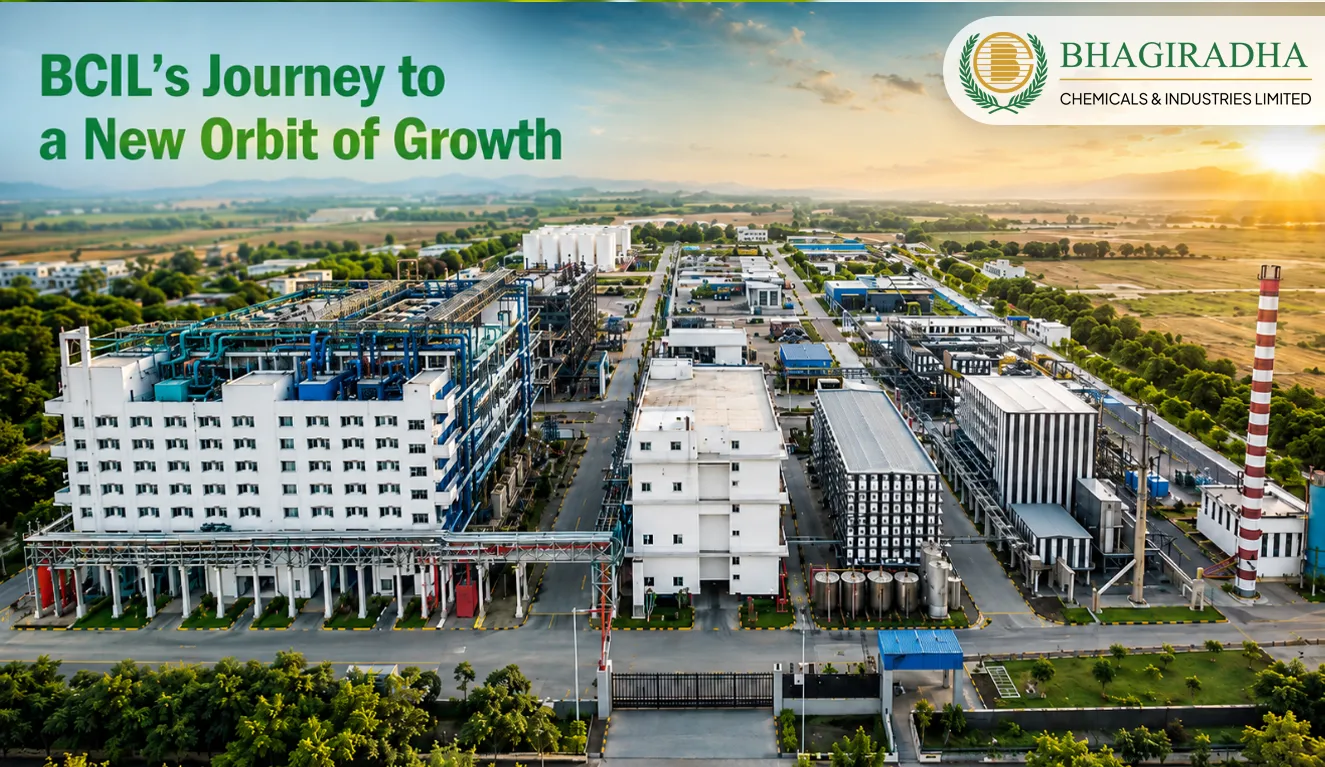
At BCIL, the manufacturing system is supported by in-house R&D, process support, quality assurance and documented procedures. The company’s facility at Ongole, Andhra Pradesh includes multiple production blocks, utilities, warehousing, quality assurance and in-house R&D infrastructure.
This integrated setup ensures manufacturing is not handled as separate functions but as a connected system where process, quality, safety and compliance work together.
Why process control matters in pesticide manufacturing
Process control is one of the core strengths for dependable agrochemical production. Every stage, from raw material selection to in-process monitoring and final testing, plays a role in maintaining product quality.
For customers, this means fewer uncertainties and stronger confidence in repeat supply. For manufacturers, it supports better yield, reduced variation and more reliable scale-up.
BCIL’s process-led approach is especially relevant for pesticide manufacturers, where technical-grade products must meet defined quality expectations across repeated production cycles. A strong process framework helps maintain consistency as production demands grow.
How does quality control support Batch-to-Batch Consistency?
Quality control should not be treated as a final inspection alone. It must be part of daily manufacturing and in each processing steps.
At BCIL, quality control is embedded into operations through continuous monitoring of raw materials, in-process stages and finished products. Documented procedures, systematic controls and experienced quality professionals help support Batch-to-Batch Consistency.
This consistency is important because customers rely on stable inputs for formulation, compliance, supply planning and market commitments. When every batch is produced with the same discipline, quality becomes more than a specification. It becomes a foundation for trust.
Why Fipronil manufacturing needs process discipline
Fipronil is listed among BCIL’s insecticide technicals, and the company’s growth journey also includes the establishment of a dedicated Fipronil process line. This reflects the importance of focused process capability in manufacturing specialised agrochemical products.
For customers searching for fipronil manufacturers, the key requirement is not just product availability. It is the ability to manufacture with process control, quality consistency and responsible operations.
A dedicated process-led approach helps support stability, scalability and reliability across production cycles. This is where strong R&D, process chemistry and manufacturing discipline become critical.
How Environmental, Health and Safety strengthens manufacturing
A modern facility cannot be called reliable if it does not operate responsibly. Environmental, Health and Safety is an essential part of manufacturing performance.
BCIL’s EHS framework focuses on employee well-being, environmental responsibility, structured safety systems, training and continuous improvement. The company’s environmental practices include waste reduction, Zero Liquid Discharge at the Ongole facility, effluent management, energy efficiency, renewable energy through a 4 MW solar power plant and adoption of green chemistry principles.
These practices help to reduce operational risk and strengthen long-term reliability. For customers, they also show that quality is supported by responsible manufacturing, not only production capability.
What should customers look for in a pesticide manufacturing partner?
A dependable manufacturing partner should be able to offer:
- Strong process chemistry and R&D support
- Scalable production infrastructure
- In-house quality assurance
- Documented process controls
- Batch-to-batch quality consistency
- Safety and regulatory alignment
- Environmental responsibility
- Long-term supply confidence
This is why the strength of a facility must be measured by more than capacity. It must be measured by the systems that protect quality, safety, compliance and reliability at every stage.
Conclusion
Inside a modern pesticide manufacturing facility, every detail matters. Process design, quality control, safety systems, environmental practices and manufacturing discipline all work together to support reliable output.
For Bhagiradha Chemicals & Industries Limited, this approach reflects a clear focus on consistent, scalable and responsible agrochemical manufacturing. In a market where pesticide manufacturers, insecticide manufacturers and customers looking for fipronil manufacturers expect dependable partners, strong processes and quality controls remain the true measure of manufacturing excellence.
FAQs:
1. What makes a pesticide manufacturing facility modern?
A modern facility combines process chemistry, scalable infrastructure, quality assurance, safety systems, documented controls and responsible environmental practices.
2. Why is Batch-to-Batch Consistency important?
Batch-to-Batch Consistency ensures that every production cycle meets defined quality expectations, supporting customer confidence and supply reliability.
3. What should pesticide manufacturers look for in a partner?
Pesticide manufacturers should look for R&D strength, process control, quality systems, safe operations, compliance and reliable scale-up capability.
4. Why is process control important for insecticide manufacturers?
For insecticide manufacturers, process control helps maintain product quality, reduce variation and support reliable production across batches.
5. What is important when choosing fipronil manufacturers?
Customers evaluating fipronil manufacturers should consider process expertise, quality control, consistency, compliance and responsible manufacturing practices.
6. How does Environmental, Health and Safety support manufacturing?
Environmental, Health and Safety supports safer operations, environmental compliance, employee well-being and long-term manufacturing reliability.

Mr. A. Arvind Kumar holds a Master’s degree in Chemical Engineering from IIT, Madras. He was earlier the COO of BCIL. Prior to that, he was the Executive Director of JC Biotech, another group company, and was involved in the design and commissioning of its fermentation plant. He has about 15 years of experience in agrochemical and pharmaceutical manufacturing.