Sustainability is becoming an important part of modern agrochemical manufacturing. Beyond meeting environmental requirements, it involves in making informed production decisions, managing resources responsibly, maintaining safe and reliable operations.
For an Agrochemical Manufacturer, this means balancing manufacturing requirements with product quality, process safety and environmental responsibility. It also requires continuous attention to how production processes can be improved without compromising performance or compliance.
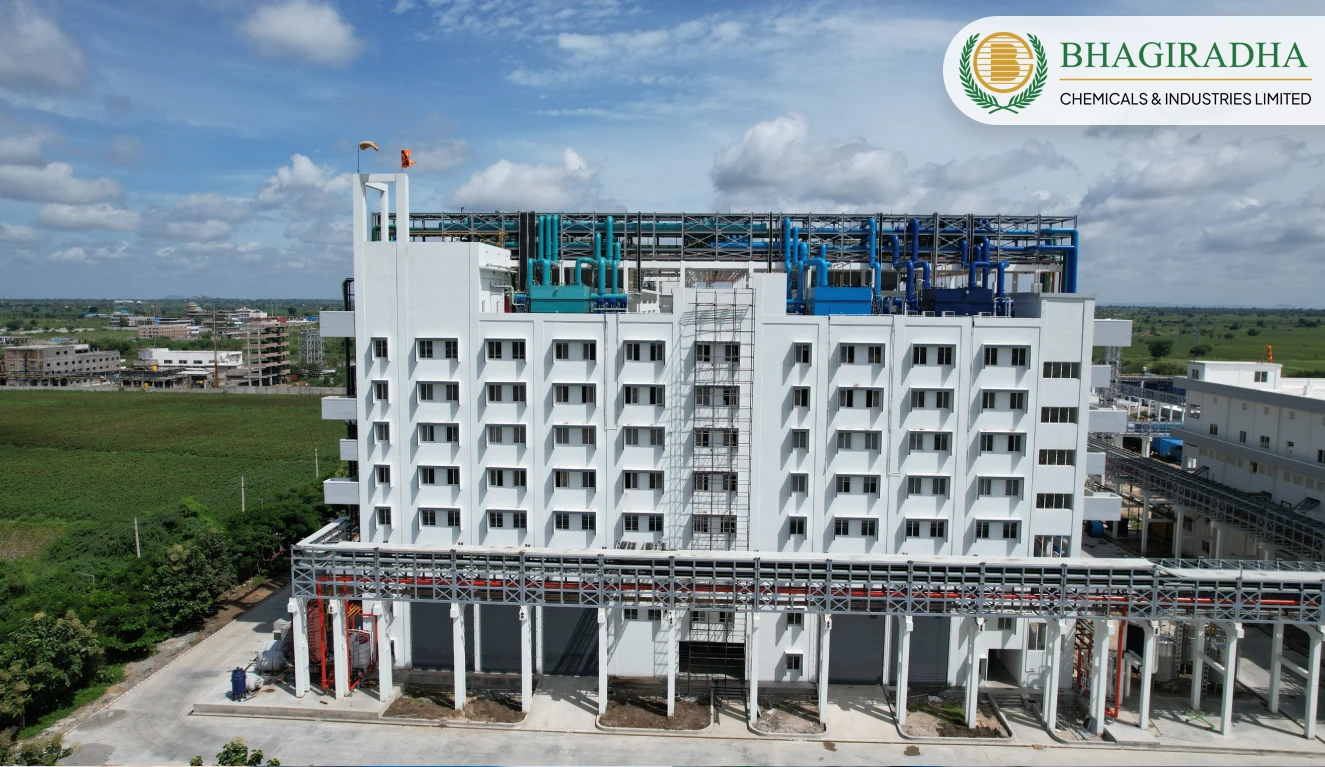
At Bhagiradha Chemicals & Industries Limited (BCIL), research and development, process chemistry and manufacturing capabilities form important parts of its business approach. These areas play major role in building a manufacturing vision that considers long-term business needs alongside responsible operations.
1. Improving Manufacturing Through Process Chemistry
The chemistry behind a manufacturing process influences the materials used, resources required and waste generated. Reviewing and improving these processes can help manufacturers identify opportunities for more efficient production.
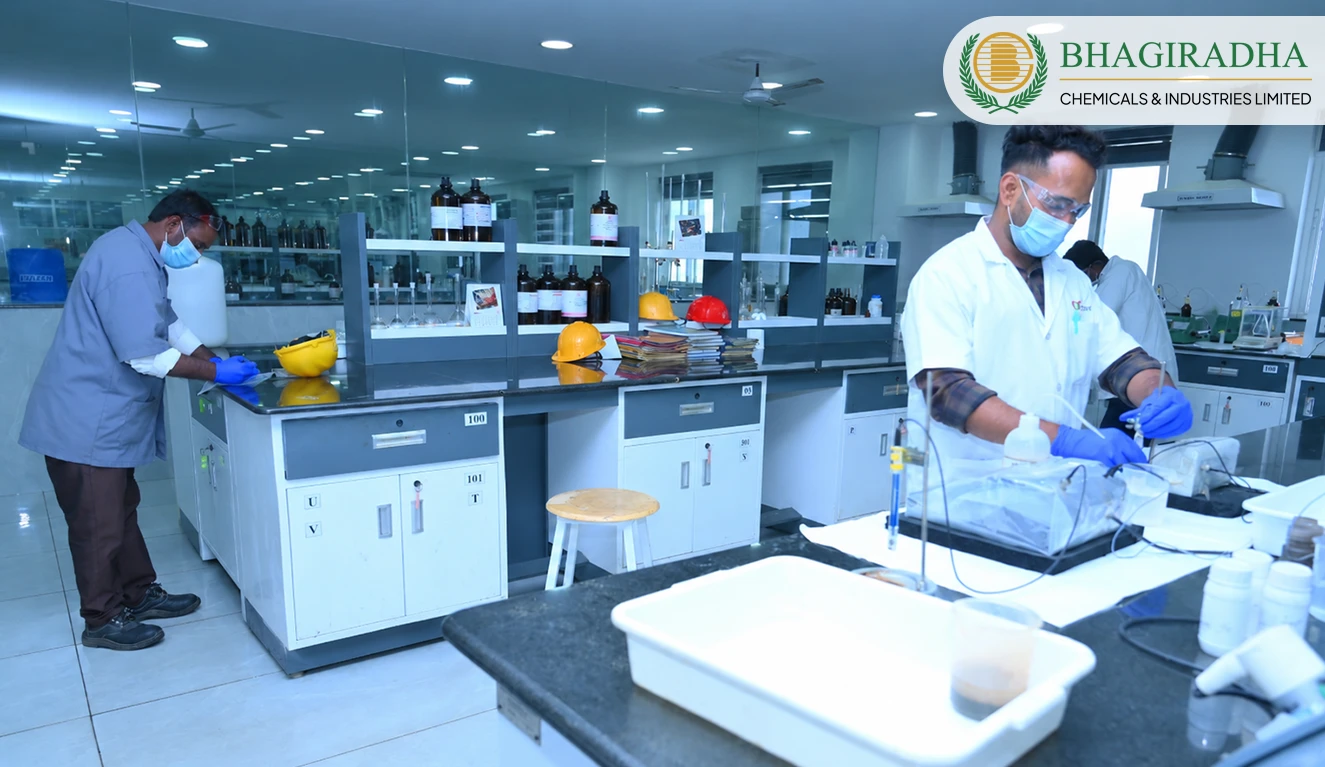
BCIL’s R&D and process chemistry capabilities support the development and improvement of manufacturing processes. Process optimisation can help evaluate reaction yields, material consumption and production consistency while maintaining the required product quality.
Any process change must be carefully assessed for safety, technical feasibility and performance at commercial scale. The objective is not simply to increase production, but to develop processes that meet quality requirements and support reliable manufacturing over time.
2. Making Environmental Responsibility as a Part of Operations
Agrochemical manufacturing requires careful management of materials, wastewater, emissions and production waste. Responsible handling of these areas is essential to reducing environmental risks and meeting applicable regulatory requirements.
Effective environmental management begins with understanding the impact of manufacturing activities. Depending on the process, this may involve monitoring resource use, managing waste streams and maintaining suitable controls for emissions and wastewater.
For pesticide manufacturers, these responsibilities are closely linked to safe and dependable operations. Environmental compliance must be supported by appropriate procedures, monitoring and regular evaluation.
Keeping in view that environmental responsibility is a part in manufacturing decisions, BCIL can align its operational priorities with the broader need for responsible industrial growth. Specific environmental outcomes should be assessed against verified company data.
3. Keeping Safety at the Centre of Manufacturing
Safe operations are essential to responsible chemical manufacturing. Handling chemicals, operating equipment and managing production processes require clear procedures and appropriate risk controls.
Environmental, Health and Safety (EHS) practices help identify potential hazards and establish measures to protect employees, equipment and the surrounding environment. Depending on the operation, these measures include employee training, safe chemical handling, equipment maintenance and emergency preparedness.
Safety also supports manufacturing reliability. Well-managed processes help reduce operational risks and the likelihood of unexpected interruptions.
For BCIL, safety and regulatory compliance are important considerations in manufacturing. Higher degree of focus on these areas support responsible operations and helps to build a strong foundation for long-term business growth.
4. Supporting Growth Through R&D and Process Improvement
As manufacturing needs intensive review regularly, processes must be evaluated for their ability to deliver consistent results at larger production volumes. This makes research, process development and scale-up important parts of manufacturing planning.
BCIL’s R&D capabilities support the development of scalable manufacturing processes. During scale-up, manufacturers need to assess factors such as reaction control, product quality, process safety and material handling.
These assessments help to determine whether a process can meet production requirements while maintaining established standards. They also provide opportunities to identify improvements before introducing changes at a larger scale.
In Modern Pesticide Manufacturing, growth and sustainability must be considered together. Manufacturing decisions need to account for production needs, resource use, safety and environmental responsibilities.
5. Building Reliable, Long-Term Manufacturing Partnerships
Sustainability also involves building business relationships that can deliver value over time. Customers need manufacturing partners who understand their technical requirements, maintain product quality and support dependable supply.
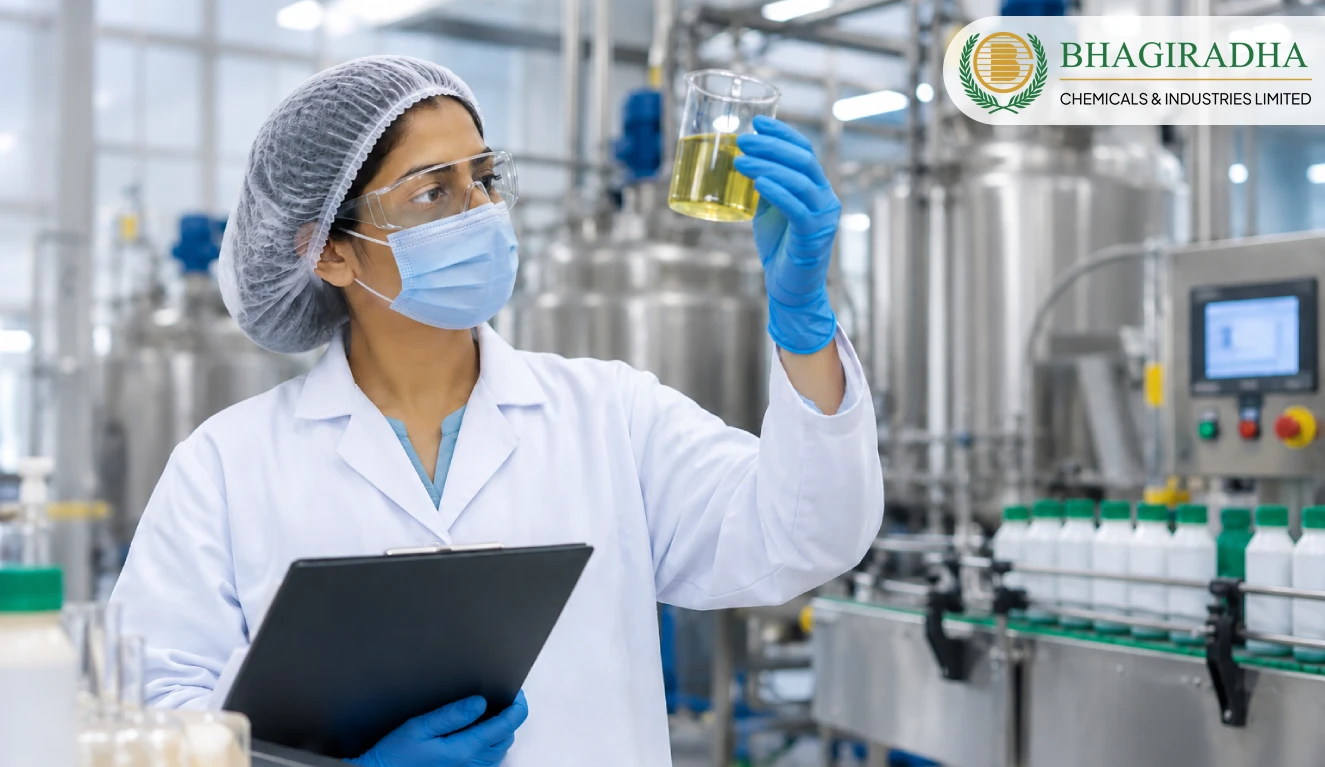
For an agrochemical manufacturer, this requires attention to process control, quality assurance and production planning. Consistent processes help reduce unwanted variation between batches and support customer confidence in product specifications.
BCIL’s focus on R&D, process chemistry and manufacturing provides a foundation for working with customers on their long-term requirements. These capabilities are relevant when businesses evaluate pesticide manufacturers for ongoing supply and manufacturing partnerships.
Strong partnerships also depend on clear communication, technical understanding and a shared commitment to quality and responsible operations.
Conclusion
Sustainability in agrochemical manufacturing is built through everyday decisions. Improving processes, managing environmental responsibilities, maintaining safe operations and ensuring consistent product quality all contribute to a more responsible manufacturing approach.
At BCIL, R&D, process chemistry and manufacturing expertise are important parts of its business vision. By keeping process improvement, safety and environmental responsibility in focus, the company can continue to align its manufacturing approach with evolving industry expectations.
A sustainable manufacturing vision is ultimately about making sound technical and operational decisions that support business needs while recognising responsibilities towards people and the environment.
FAQs:
1. What does sustainability mean in agrochemical manufacturing?
It means managing resources responsibly, reducing environmental risks, maintaining safe operations and meeting applicable regulations while ensuring consistent product quality.
2. How can process chemistry support sustainability?
Process chemistry helps manufacturers to evaluate production methods, material use, reaction yields and waste generation. Improvements must also meet safety and quality requirements.
3. Why is environmental compliance important for insecticide manufacturers?
Environmental compliance helps manufacturers to manage the impact of production activities, meet applicable legal requirements and reduce risks associated with waste, emissions and wastewater.
4. What role does R&D play in Modern Pesticide Manufacturing?
R&D supports process development, optimisation and scale-up. It helps manufacturers to evaluate ways to improve production while maintaining safety, quality and process reliability.
5. What should businesses consider when choosing an Agrochemical Manufacturer?
Businesses should assess manufacturing capabilities, R&D expertise, quality systems, regulatory compliance, production consistency and the ability to support long-term supply requirements.
6. How does Bhagiradha Chemicals approach sustainable manufacturing?
BCIL’s manufacturing approach includes R&D, process chemistry and a focus on responsible operations. Specific sustainability initiatives and performance outcomes should be assessed using verified company disclosures and data.
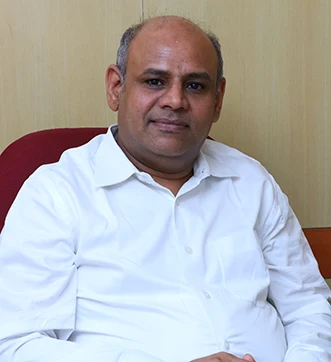
Mr. A. Arvind Kumar holds a Master’s degree in Chemical Engineering from IIT, Madras. He was earlier the COO of BCIL. Prior to that, he was the Executive Director of JC Biotech, another group company, and was involved in the design and commissioning of its fermentation plant. He has about 15 years of experience in agrochemical and pharmaceutical manufacturing.